Rudraksha Benefits from 1 to 21 Mukhi: Who Can Wear It and How to Wear It
Rudraksha beads hold an important place in Hindu spiritual traditions and are especially associated with Lord Shiva. Each bead has natural lines or clefts running from one end to the other. These lines are called mukhis, or faces. Rudraksha beads are traditionally used for prayer, meditation, and devotional practice.
People often search for the benefits of 1 to 21 Mukhi Rudraksha, which Rudraksha is right for them, and how to wear one correctly. This guide explains the traditional associations of each mukhi, who may choose to wear it, and a simple step-by-step method for wearing Rudraksha.
Please note: The spiritual benefits described below come from religious and cultural traditions. They are matters of personal belief and are not scientifically proven or guaranteed. Rudraksha should not replace medical care, financial advice, or other professional support.
What Does “Mukhi” Mean in Rudraksha?
A mukhi is a naturally formed line or division on the surface of a Rudraksha bead. Practitioners identify beads by counting these lines from one end to the other. Traditionally, different mukhi beads are associated with particular deities, qualities, or spiritual intentions.
The descriptions below summarize common beliefs. Interpretations can differ between scriptures, regions, and spiritual teachers. For personal or ritual guidance, consult a trusted teacher from your own tradition. Drik Panchang’s Rudraksha guide
Traditional Benefits of 1 to 21 Mukhi Rudraksha
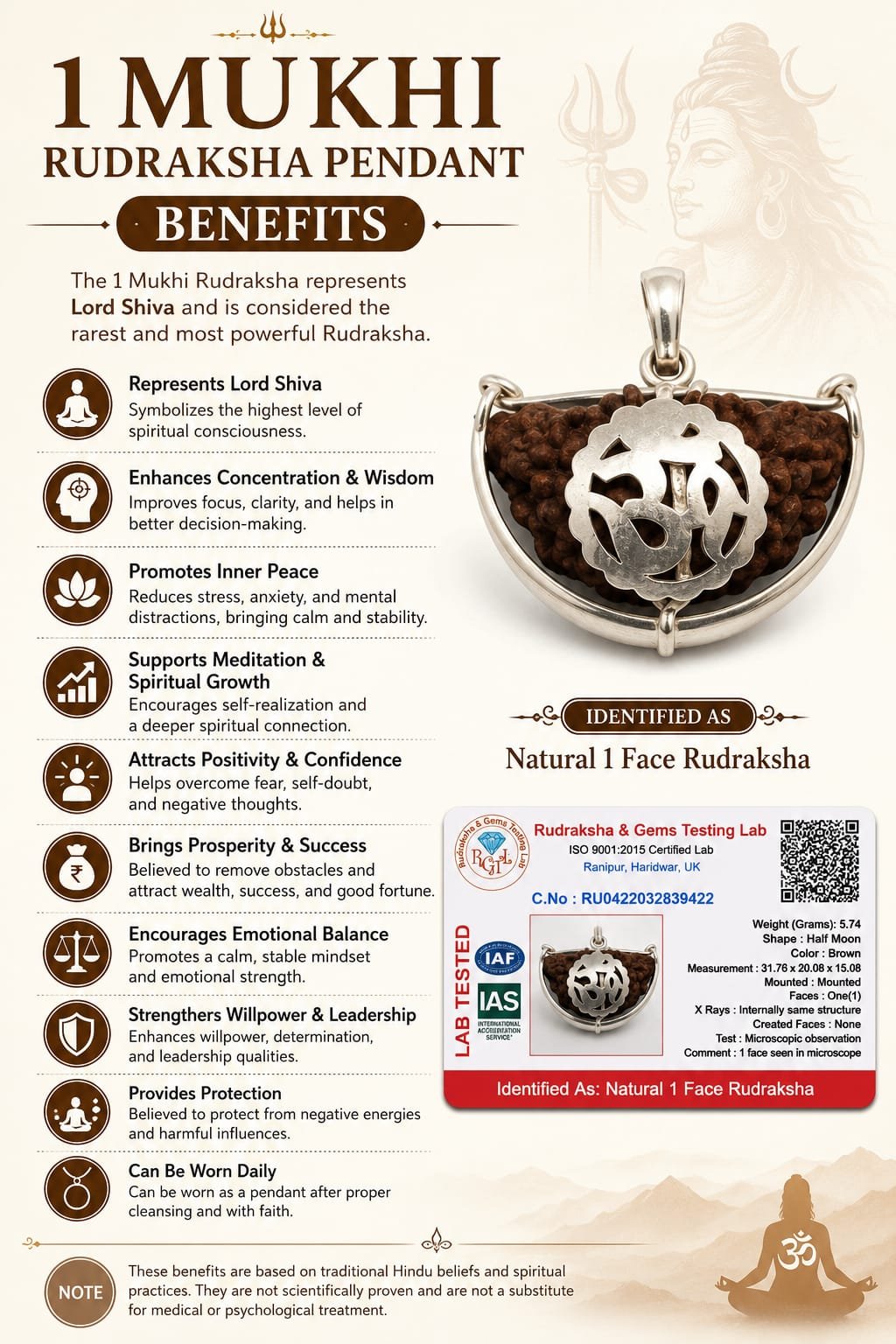
1 Mukhi Rudraksha
Traditionally associated with Lord Shiva, the 1 Mukhi Rudraksha symbolizes unity, devotion, and spiritual focus. Practitioners may choose it for meditation, inner discipline, and a deeper connection with their spiritual practice. Authenticity and the appearance of this rare bead are subjects of differing views, so seek knowledgeable advice before buying.
2 Mukhi Rudraksha
The 2 Mukhi Rudraksha is commonly associated with harmony and balance. In traditional practice, it may be chosen by people seeking greater understanding in relationships, family life, or partnerships. It is often linked with unity and cooperation.
3 Mukhi Rudraksha
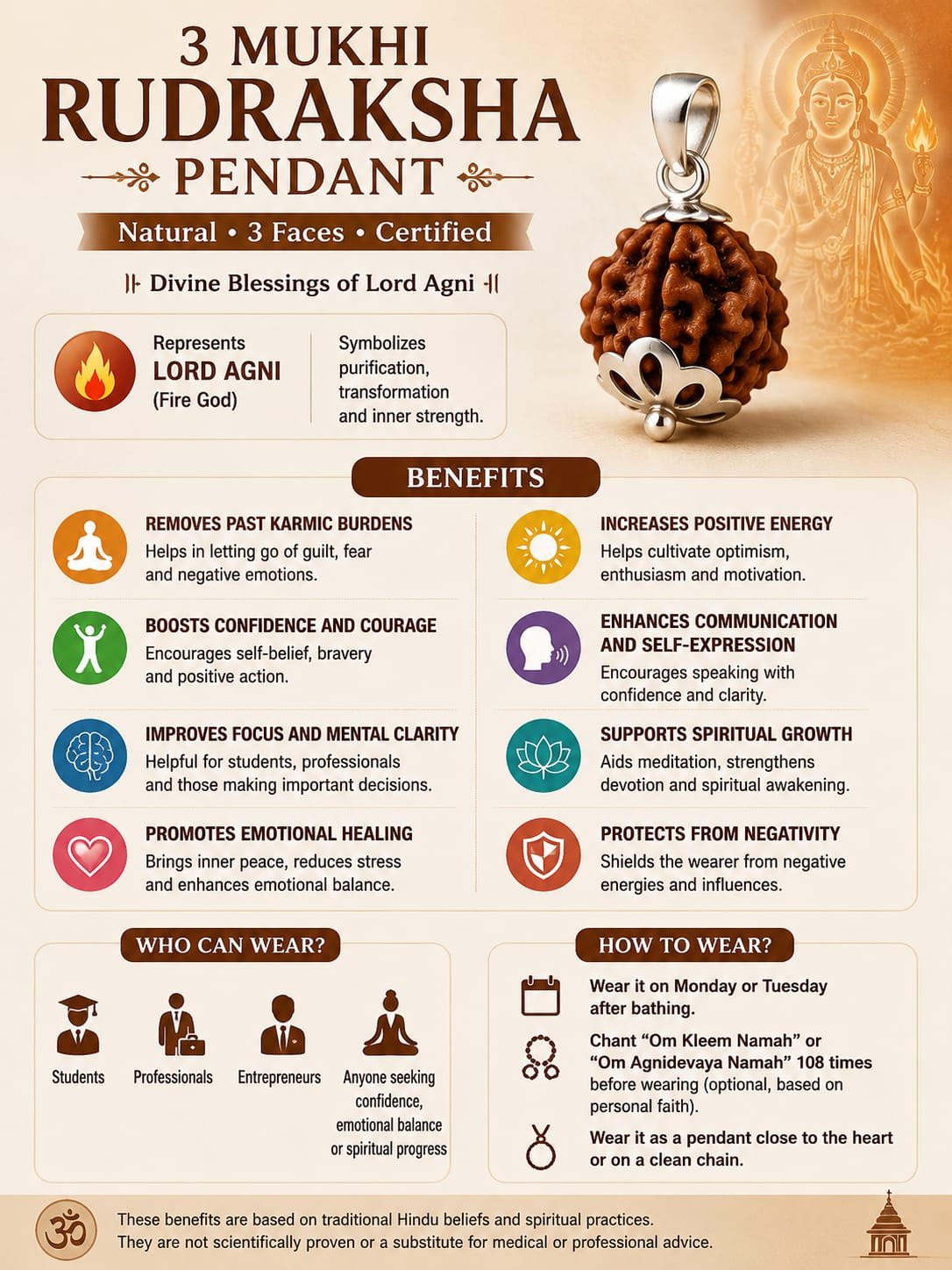
The 3 Mukhi Rudraksha is traditionally linked with Agni, the fire deity. It is associated with renewal, courage, and letting go of past burdens. Devotees may choose it as a symbol of confidence and a fresh start.
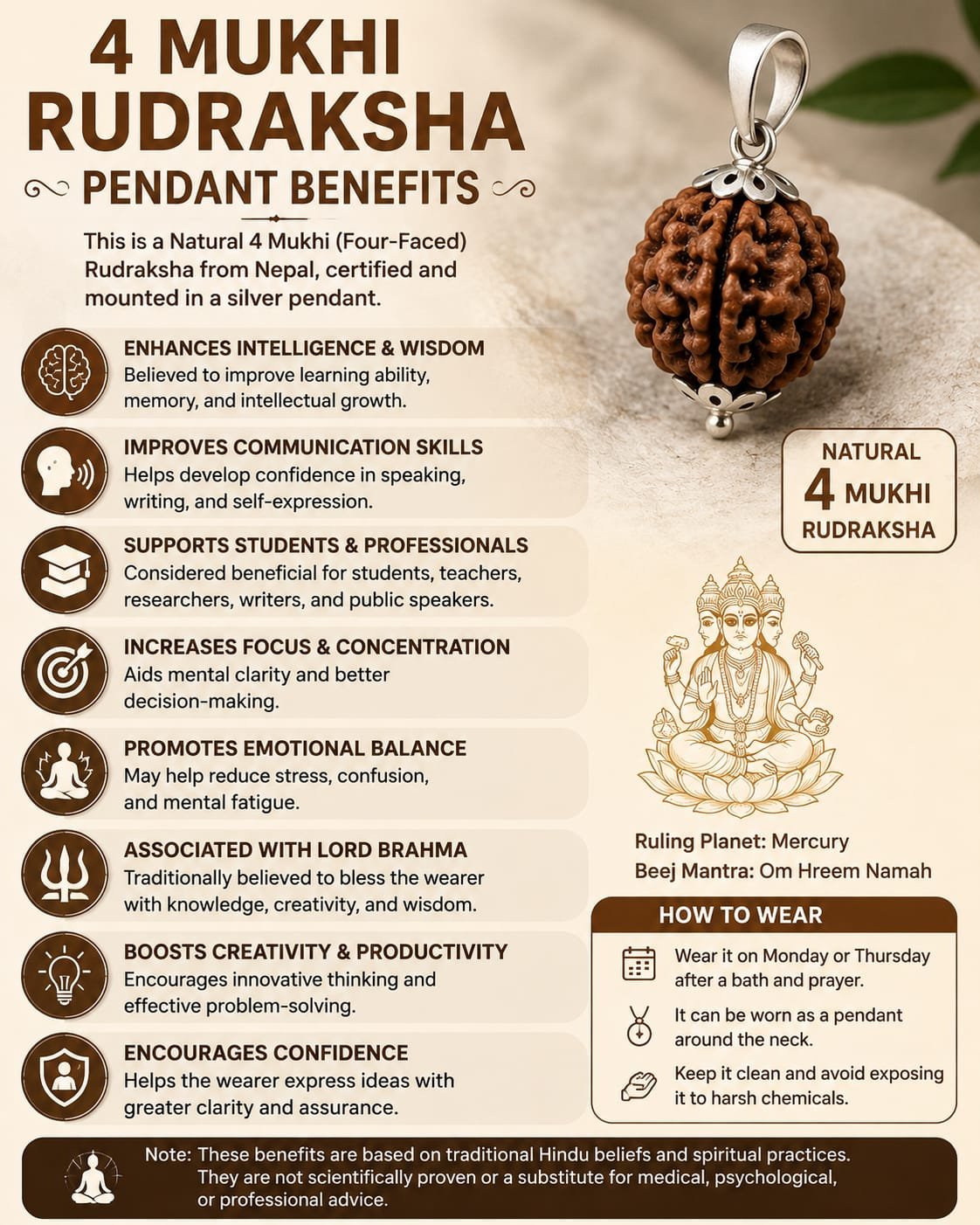
4 Mukhi Rudraksha
The 4 Mukhi Rudraksha is commonly connected with Brahma and the qualities of learning and expression. Students, teachers, writers, and speakers may be drawn to it as a devotional symbol of knowledge, creativity, and communication.
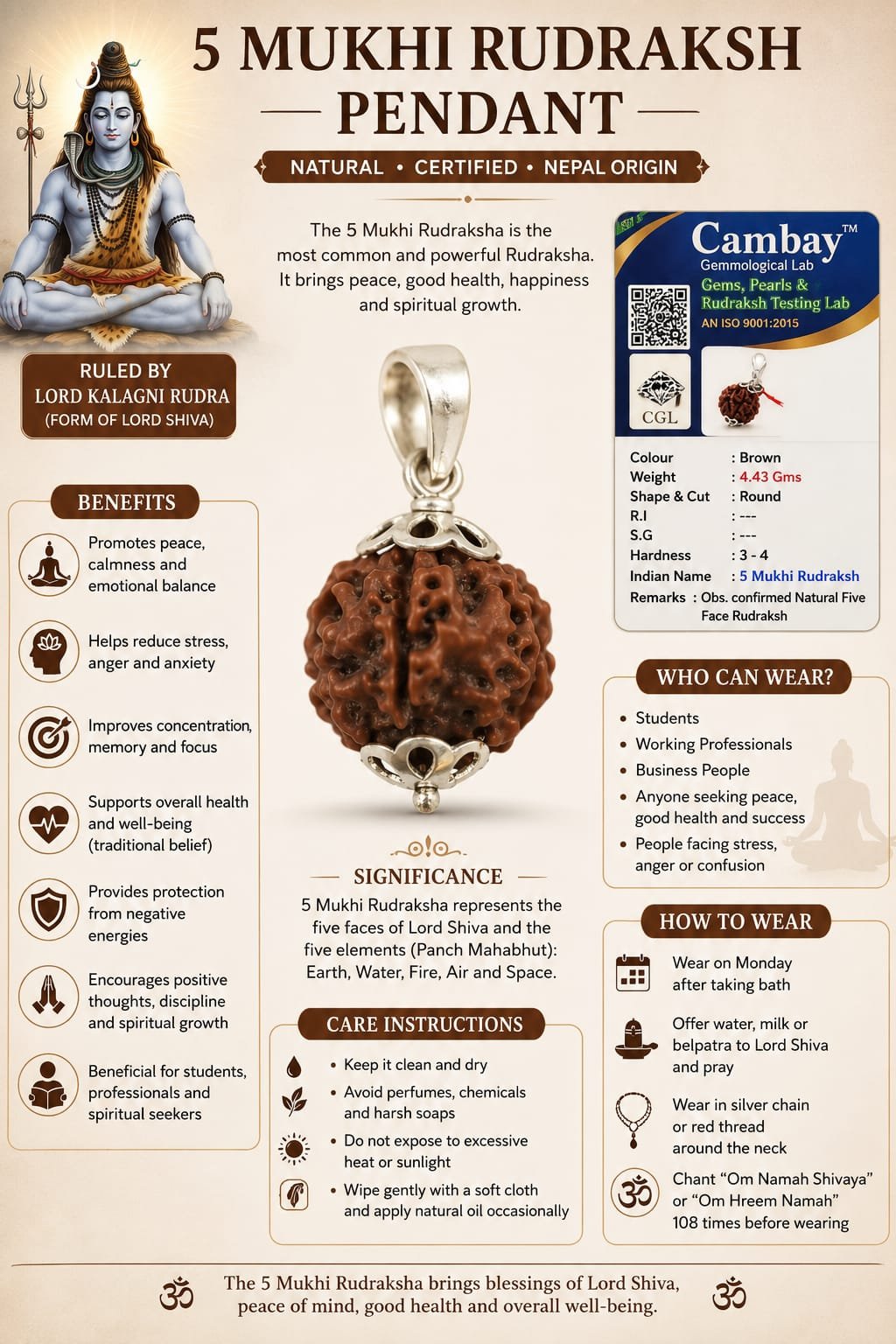
5 Mukhi Rudraksha
The 5 Mukhi Rudraksha is widely used in prayer malas and is associated with Lord Shiva’s form known as Kalagni Rudra. Many people choose it for daily prayer, meditation, and spiritual discipline. Practices vary, but it is often considered a suitable option for beginners.
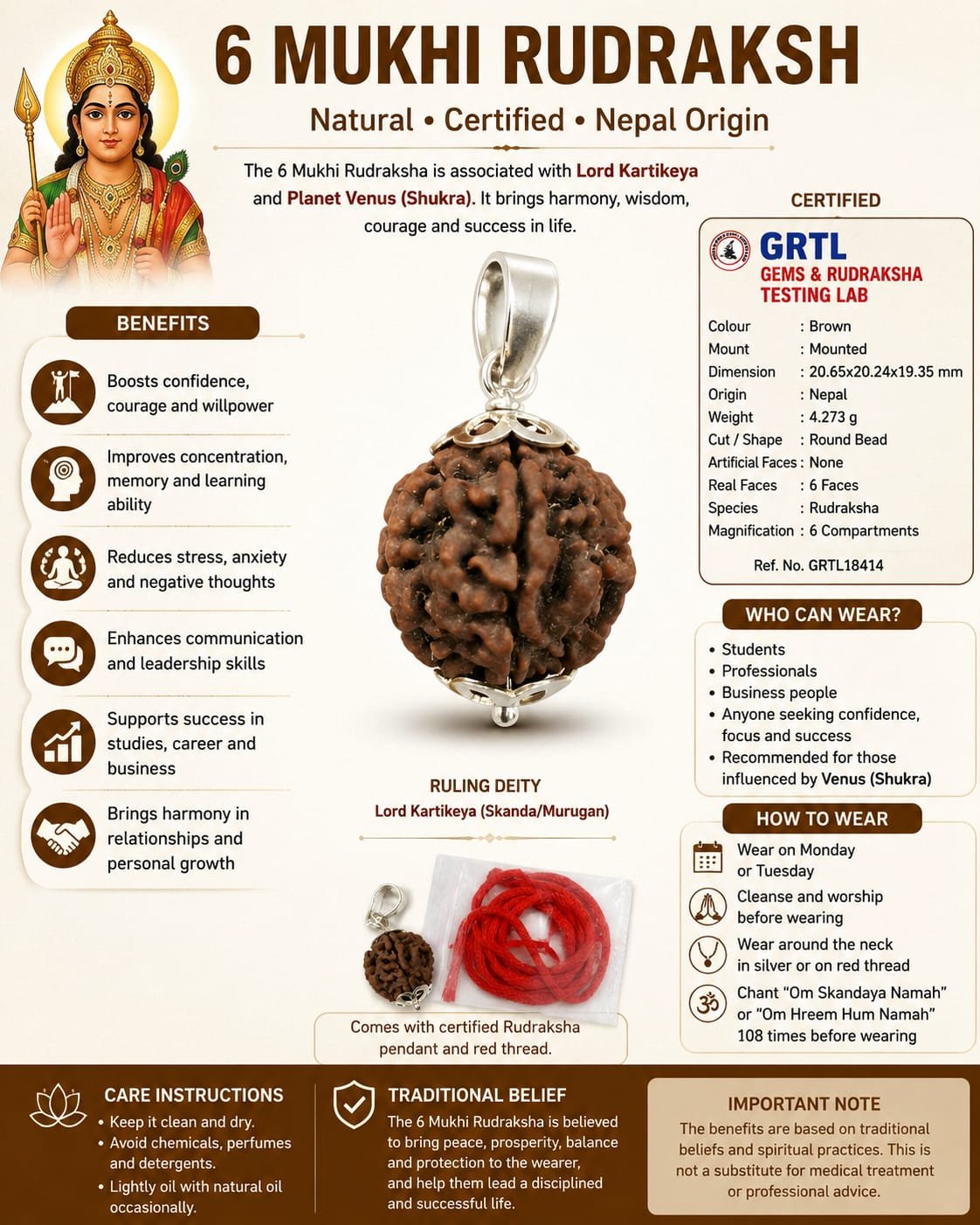
6 Mukhi Rudraksha
The 6 Mukhi Rudraksha is traditionally associated with Kartikeya. It is linked with discipline, confidence, and self-control. Students and people working toward personal goals may choose it as a reminder to stay focused and persistent.
7 Mukhi Rudraksha
The 7 Mukhi Rudraksha is often associated with prosperity and stability in traditional belief. People may wear it as a symbol of patience, security, and steady progress. These meanings are spiritual associations, not a promise of wealth or financial success.
8 Mukhi Rudraksha
The 8 Mukhi Rudraksha is commonly linked with Lord Ganesha, who is traditionally revered as the remover of obstacles. Devotees may choose it as a symbol of clear thinking, perseverance, and support when beginning a new project or facing a challenge.
9 Mukhi Rudraksha
The 9 Mukhi Rudraksha is traditionally associated with Goddess Durga. It is linked with courage, protection, and inner strength. Some devotees wear it as a reminder to face difficulties with confidence and determination.
10 Mukhi Rudraksha
The 10 Mukhi Rudraksha is often associated with Lord Vishnu. In traditional belief, it symbolizes protection, balance, and peace. Practitioners may choose it as a devotional aid while seeking calm and steadiness in daily life.
11 Mukhi Rudraksha
The 11 Mukhi Rudraksha is associated with Lord Hanuman or the eleven Rudras in some traditions. It is linked with courage, devotion, and self-discipline. People may wear it as a symbol of strength and commitment to their spiritual path.
12 Mukhi Rudraksha
The 12 Mukhi Rudraksha is commonly connected with Surya, the Sun deity. Traditional descriptions associate it with confidence, leadership, and vitality. Some people choose it as a devotional reminder to act with clarity and purpose.
13 Mukhi Rudraksha
The 13 Mukhi Rudraksha is linked in some traditions with Kamadeva or Indra. It is associated with charm, creativity, and fulfillment of aspirations. Interpretations differ, so those following a particular lineage may wish to ask their teacher about its use.
14 Mukhi Rudraksha
The 14 Mukhi Rudraksha is often associated with Lord Shiva and Hanuman. It is traditionally connected with discernment, courage, and sound decision-making. Practitioners may choose it as a spiritual symbol when seeking clarity during important choices.
15 Mukhi Rudraksha
The 15 Mukhi Rudraksha is associated in some traditions with Pashupatinath, a form of Shiva. It is linked with emotional balance, compassion, and letting go of resentment. Devotees may use it to support reflection and a more peaceful outlook.
16 Mukhi Rudraksha
The 16 Mukhi Rudraksha is commonly connected with Mahamrityunjaya Shiva. It is traditionally associated with protection, courage, and resilience during difficult periods. These are religious beliefs and should not be interpreted as medical protection or treatment.
17 Mukhi Rudraksha
The 17 Mukhi Rudraksha is linked in some traditions with Katyayani or Vishvakarma. It is associated with creativity, achievement, and progress toward goals. People may choose it as a devotional reminder to combine intention with consistent effort.
18 Mukhi Rudraksha
The 18 Mukhi Rudraksha is commonly associated with Bhumi Devi, or Mother Earth. Its traditional symbolism includes grounding, stability, and connection with nature. Some practitioners select it when focusing on patience and steady growth.
19 Mukhi Rudraksha
The 19 Mukhi Rudraksha is associated in some traditions with Narayana. It is linked with abundance, fulfillment, and a sense of completeness. These associations can make it meaningful to devotees, but it cannot guarantee material success.
20 Mukhi Rudraksha
The 20 Mukhi Rudraksha is rare and its traditional descriptions vary. It may be connected with divine knowledge, insight, or spiritual realization in certain accounts. Because interpretations and availability vary, get guidance from a trusted source before purchasing one.
21 Mukhi Rudraksha
The 21 Mukhi Rudraksha is considered rare and is often associated with Lord Kubera in modern spiritual and devotional descriptions. It symbolizes prosperity, abundance, and responsible use of resources. It may be chosen by those who value this symbolism, but it does not guarantee wealth or business success.
Who Can Wear Rudraksha?
In many Hindu traditions, Rudraksha is worn by people of different ages and genders, including householders and spiritual practitioners. Some people wear a bead or bracelet as a devotional symbol; others use a mala during prayer or meditation.
A simple 5 Mukhi Rudraksha is a common starting point for people who want a bead for everyday devotional use. For rare or higher-mukhi beads, or when selecting a bead for a specific spiritual purpose, ask a trusted teacher. The suitability of a particular mukhi is a matter of tradition and personal practice; no bead is guaranteed to produce a particular outcome.
How to Wear Rudraksha: Step-by-Step Method
Practices vary between traditions. If your family, guru, or spiritual community follows a specific method, follow that guidance. Here is a simple devotional approach for someone without a prescribed ritual:
- Choose a suitable bead. Select a bead from a reputable seller and ask how its mukhi count was checked. Be cautious with rare, expensive beads and strong claims about guaranteed benefits.
- Inspect it. Check that the bead is not visibly cracked, broken, or badly damaged. Choose a comfortable thread, chain, or bracelet fitting.
- Clean your hands and the bead. Rinse the bead gently with clean water and pat it dry. Avoid soaking it for long periods or applying strong chemicals. Follow the seller’s care instructions.
- Choose a quiet moment. Many devotees prefer Monday because of its association with Lord Shiva, but practices differ and there is no single day followed by everyone.
- Set an intention. Sit calmly and decide what the bead represents in your practice—such as devotion, patience, or focus.
- Offer a prayer or mantra if you wish. A commonly used Shiva mantra is “Om Namah Shivaya.” You can chant it quietly at a pace that feels natural. A specific mantra is not required for everyone.
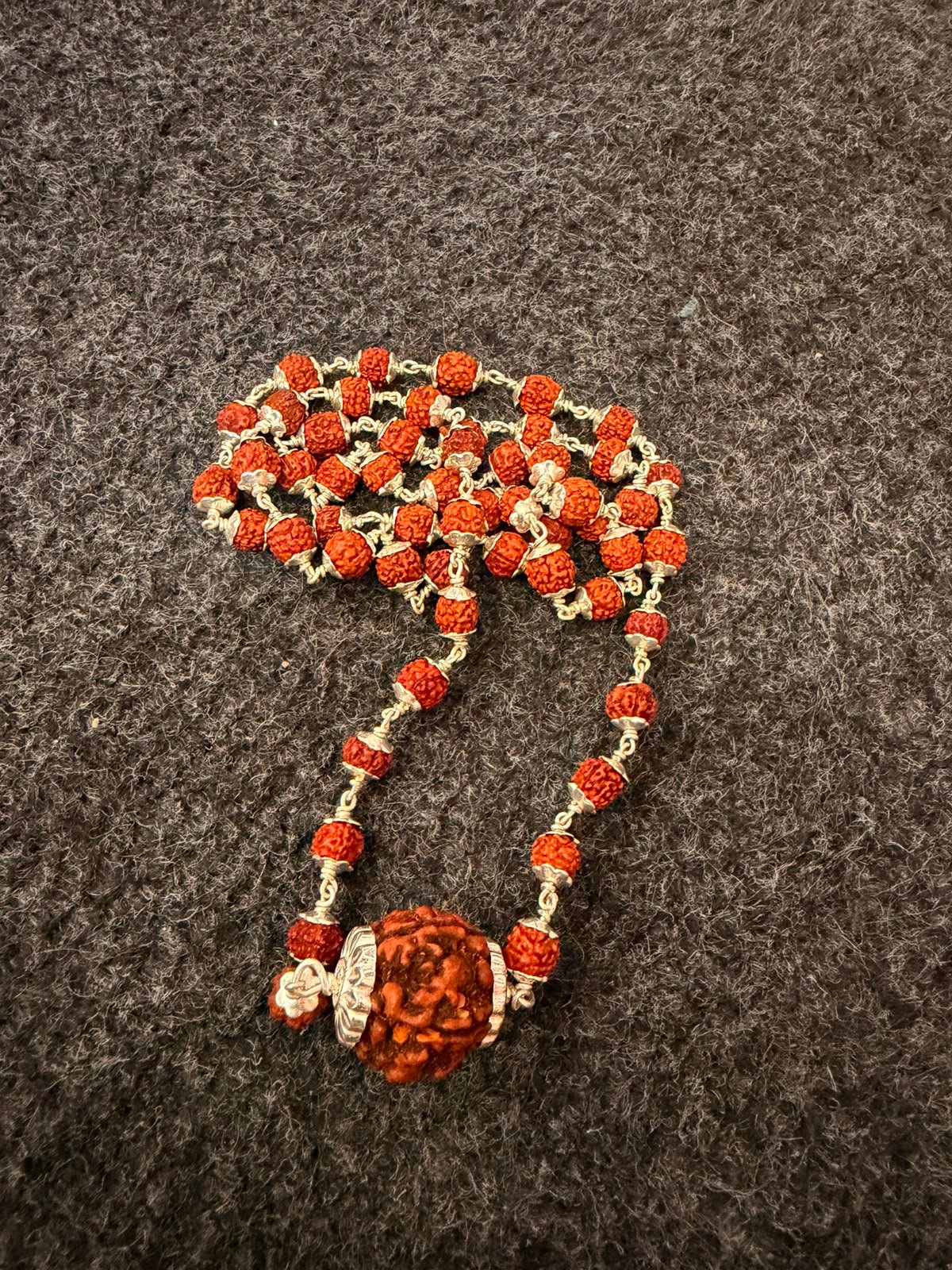
- Wear or carry it comfortably. Rudraksha may be worn as a necklace, bracelet, or mala, depending on your preference and tradition. Make sure the thread or clasp is secure and does not irritate your skin.
- Care for it gently. Keep the bead dry when practical, and remove it before activities that could damage it. Store it in a clean, dry place when you are not wearing it.
Some online guides prescribe strict rules about food, bathing, sleeping, or removing the bead. Customs differ, so avoid treating one seller’s instructions as universal. Drik Panchang describes traditional consecration and wearing practices; simpler contemporary guidance also emphasizes that routines vary. Astroliya’s wearing guide
How to Choose a Rudraksha
When choosing a Rudraksha, consider your devotional practice, the bead’s comfort, your budget, and the reliability of the seller. Ask for clear photos and a return policy, especially for costly or rare beads. The natural mukhi lines should be distinguishable, but visual inspection alone may not prove authenticity. Avoid claims that a bead will cure an illness, guarantee a marriage, remove all obstacles, or ensure wealth.
Frequently Asked Questions
Can women wear Rudraksha?
Many traditions allow women to wear Rudraksha. Customs vary by family, teacher, and community, so follow the guidance that applies to your own practice.
Can beginners wear Rudraksha?
Yes, many beginners start with a 5 Mukhi bead or mala for prayer and meditation. If you have a specific spiritual practice, ask your teacher which form is appropriate.
Which Rudraksha is best for success or prosperity?
Traditional descriptions associate some beads—such as 7, 17, 19, and 21 Mukhi—with prosperity, achievement, or abundance. These are symbolic beliefs, not guaranteed financial results. Choose based on your tradition and personal meaning.
Is Rudraksha a medical treatment?
No. Spiritual traditions may associate Rudraksha with well-being, but it is not a substitute for diagnosis or treatment by a qualified health professional.
Final Thoughts
Rudraksha beads from 1 to 21 Mukhi carry varied meanings across Hindu traditions. Some are associated with devotion, knowledge, courage, harmony, or prosperity. Who wears one and how it is prepared can depend on the wearer’s beliefs and community. Choose carefully, wear it comfortably, and approach its traditional benefits as spiritual symbolism rather than guaranteed results.
1 to 21 Mukhi Rudraksha benefits, Rudraksha benefits, Rudraksha wearing method, how to wear Rudraksha, who can wear Rudraksha
1 Mukhi Rudraksha benefits, 5 Mukhi Rudraksha for beginners, 7 Mukhi Rudraksha meaning, 14 Mukhi Rudraksha benefits, 21 Mukhi Rudraksha significance, Rudraksha mala rules, Rudraksha bracelet, Rudraksha beads meaning, Rudraksha for meditation, Rudraksha spiritual benefits, authentic Rudraksha guide, Rudraksha beads for men and women
1 to 21 Mukhi Rudraksha Benefits: Who Can Wear It and How
Learn the traditional meanings of 1 to 21 Mukhi Rudraksha, who can wear Rudraksha beads, and a simple step-by-step method for wearing and caring for them.
Reviews
There are no reviews yet.