
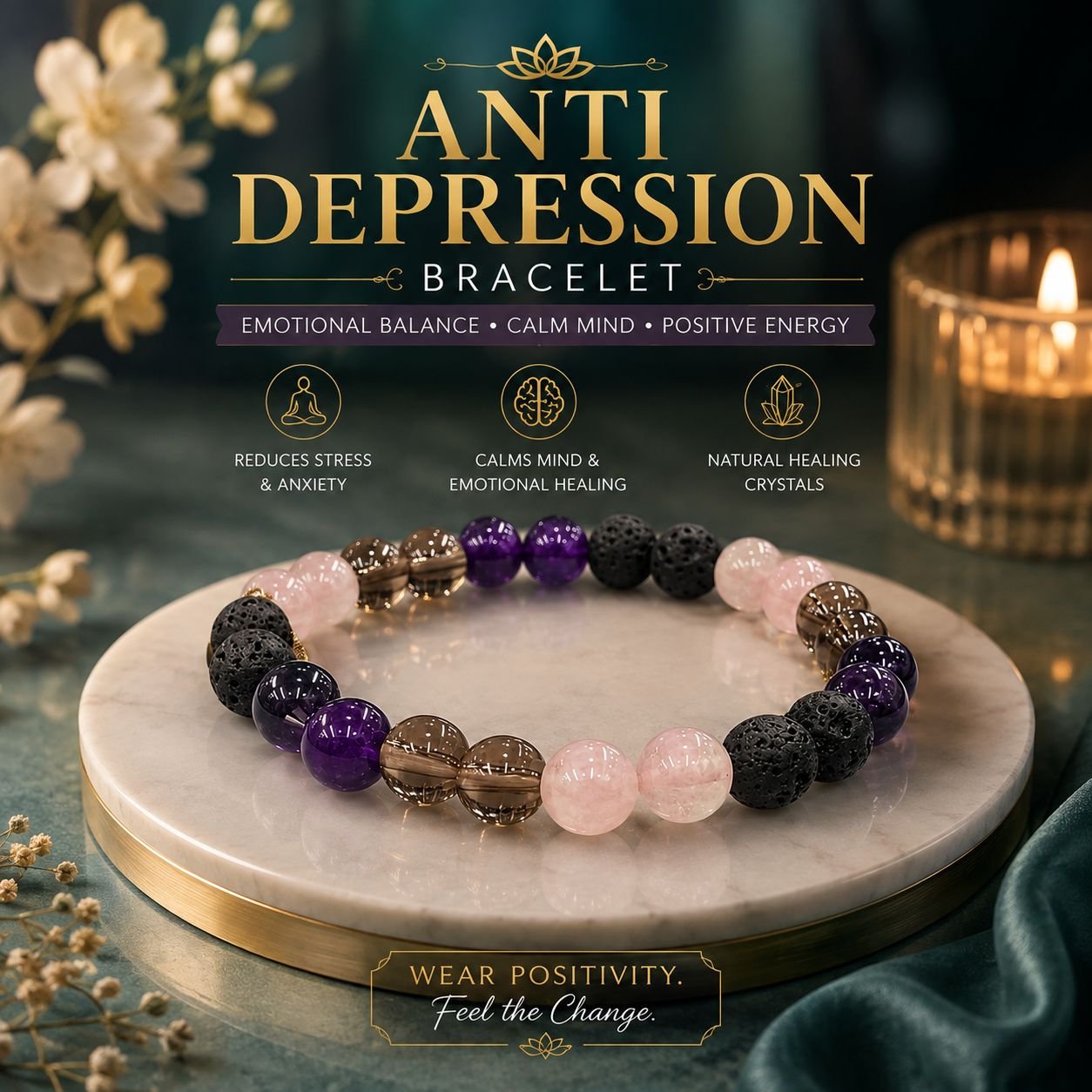
Anti-Depression Bracelet: Benefits
An “anti-depression bracelet” may sound like a simple way to feel better, but it is important to understand what it can and cannot do. A bracelet cannot diagnose, prevent, or treat depression. Some people may enjoy wearing one as a personal reminder to pause, practise a calming routine, or reach out for support. Its value is best understood as a meaningful accessory—not a medical treatment.
Possible Benefits
A reminder to check in with yourself: A bracelet can serve as a visual cue to take a few slow breaths, step outside, drink water, or notice how you are feeling. It may help someone remember small self-care habits, though the bracelet itself does not cause a mental-health improvement.
A personal symbol of hope: Some people choose jewellery that represents resilience, a meaningful memory, or a commitment to caring for themselves. A symbol that feels personal may offer comfort during stressful days.
A conversation starter: A thoughtful design may encourage conversations with friends or family. It can show that mental well-being matters to the wearer, while still allowing them to share only what they feel comfortable sharing.
A thoughtful gift: A bracelet can be a considerate gift for someone going through a difficult time, as long as it is not presented as something that will “fix” their feelings. A supportive message and a willingness to listen may mean even more.
A companion to a self-care routine: Some people pair a bracelet with habits such as journalling, meditation, or taking a daily walk. These habits—not the bracelet—may help them feel more grounded.
What Buyers Should Know
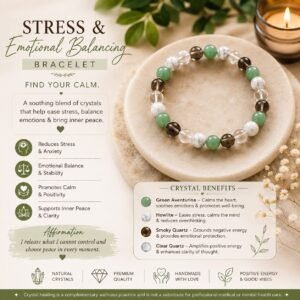
Be cautious of products claiming to cure depression, balance brain chemicals, relieve anxiety, or replace medication or therapy. These are not established benefits of a bracelet. Claims about crystals, magnets, aromatherapy, or pressure points should also be checked carefully. “Natural” or “wellness” branding does not prove that a treatment works.
Depression is a health condition that may require professional care. Anyone experiencing persistent low mood, loss of interest, changes in sleep or appetite, difficulty functioning, or thoughts of self-harm should contact a qualified healthcare professional. A bracelet may be worn alongside appropriate care if the person likes it, but it should never delay getting help. If someone may be in immediate danger, contact local emergency services or a crisis support service.
Who Might Consider Buying One?
1. The self-care enthusiast: This buyer enjoys small rituals and meaningful accessories. They might choose a bracelet as a reminder to pause or follow a healthy habit. Comfort, attractive design, and clear product information are likely to matter to them.
2. The thoughtful gift-giver: This person wants to show care for a friend or family member. They may prefer a bracelet with an encouraging note and discreet packaging. The gift should express support without promising to treat depression.
3. The style-conscious shopper: This buyer wants jewellery that looks good and carries personal meaning. They may compare colours, sizing, materials, durability, and suitability for everyday wear.
4. The mental-health-aware buyer: This shopper values transparency and responsible marketing. They may prefer brands that avoid cure claims, clearly explain materials, and encourage professional support when appropriate.
A bracelet may not appeal to everyone. Someone who dislikes jewellery, has sensitive skin, or is looking for proven treatment may prefer another option. The best reason to buy one is that its design, comfort, or meaning appeals to the wearer—not because it promises a medical outcome.
- Anti-depression bracelet
- Mental health awareness bracelet
- Self-care bracelet
- Hope and resilience jewellery
- Motivational bracelet gift
- Supportive gift for a friend
- Wellness jewellery
- Mental health support gift
- Positive reminder bracelet
- Everyday affirmation bracelet
: Mental Health Awareness Bracelet: Meaning, Gift Ideas, and What to Know
: Explore the meaning of mental-health awareness bracelets, gift ideas, and how a wearable reminder may fit into a personal self-care routine.
Useful product-page content can answer practical questions: What materials are used? Is the bracelet adjustable? How should it be cleaned? Is it suitable for sensitive skin? What does the design symbolise? Avoid promising that it treats depression or anxiety.
Is It Beneficial for Everyone?
No accessory is beneficial for everyone. A bracelet may be meaningful, attractive, or useful as a personal reminder for some people. For others, it may simply be jewellery—or not something they want. The responsible message is simple: buy it for its design, symbolism, or reminder value, and seek qualified care for depression.
Be cautious of products claiming to cure depression, balance brain chemicals, relieve anxiety, or replace medication or therapy. These are not established benefits of a bracelet. Claims about crystals, magnets, aromatherapy, or pressure points should also be checked carefully. “Natural” or “wellness” branding does not prove that a treatment works.
Depression is a health condition that may require professional care. Anyone experiencing persistent low mood, loss of interest, changes in sleep or appetite, difficulty functioning, or thoughts of self-harm should contact a qualified healthcare professional. A bracelet may be worn alongside appropriate care if the person likes it, but it should never delay getting help. If someone may be in immediate danger, contact local emergency services or a crisis support service.

Reviews
There are no reviews yet.